https://alaskaseafoodprocessors.com/index.php?view=employee_housing
The information in this article is general rather than specific. Each seafood processing facility and its housing arrangements are different. The purpose of this article is to provide considerations for people before working in Alaska. It can help them prepare questions for their interview.
Employee housing, commonly called a bunkhouse, provides a place for employees to sleep, shower, and relax when they are not working. Some companies charge a daily room and board fee, but this is not always the case. With some companies, you may be reimbursed for part or all of this fee if you complete your contract and are eligible for rehire.
Bunkhouses are usually standalone buildings, either new or quite old. At some places, especially in remote areas, shipping containers are converted into housing. Converted shipping containers are usually divided into three rooms, housing two to four employees per room.
Housing is usually dormitory-style, so you will typically share a room with at least one roommate. Rooms typically house four people, but this is not guaranteed. Some rooms accommodate as few as two people, while others can house 16 or more. In some locations, housing for couples is available, so it doesn't hurt to ask.
Bunk beds are common in dormitory-style rooms, though ladders for the top bunks aren't always provided. If you require special accommodations, such as being unable to access the top bunk due to a back problem, you should speak with the housing manager. Alternatively, you could ask a roommate to switch bunks.
Places that operate only in the summer typically do not provide heating for rooms. If a room has heating, it may come from a vent, so there might not be a thermostat to adjust the temperature. Because Alaska is generally cooler than other states, rooms do not have air conditioning, even though they can get quite hot in the summer. Windows don't always open, and when they do, you might keep them closed to keep mosquitoes out.
Usually, but not always, you are provided with a place to store your belongings, such as shelves, drawers, wall lockers, or foot lockers. But some places may not provide you with a way to lock up your belongings. You also may need to bring your own padlock. If no designated storage is available, you can keep your belongings in luggage, under the bed, or elsewhere in the room.
Housing is generally provided on a first-come, first-served basis. As a rule of thumb, if you are given the option to pick a start date, it is best to arrive early.
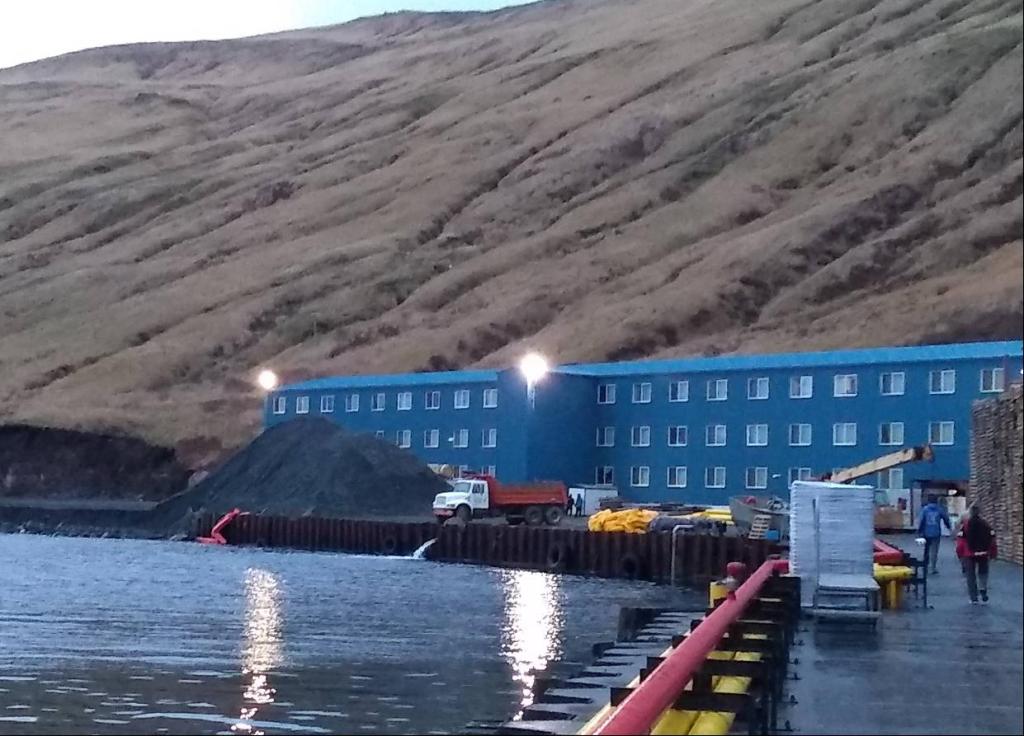
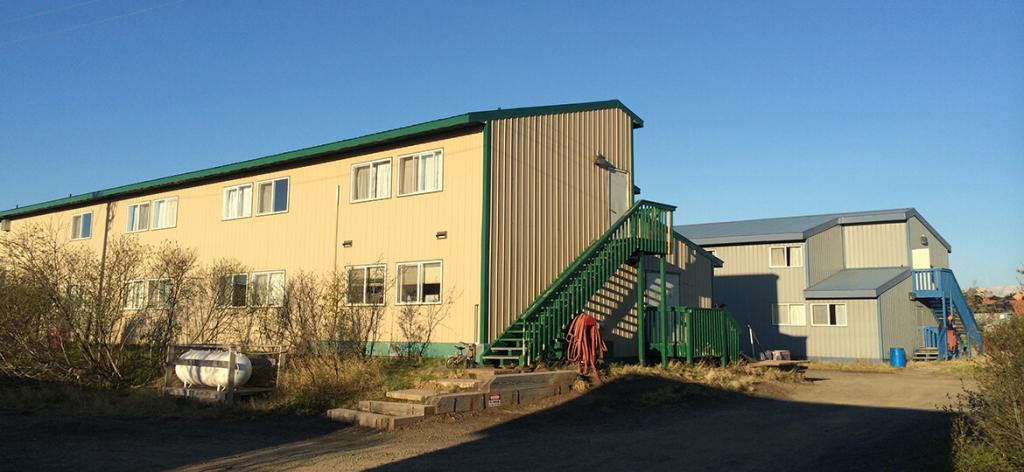
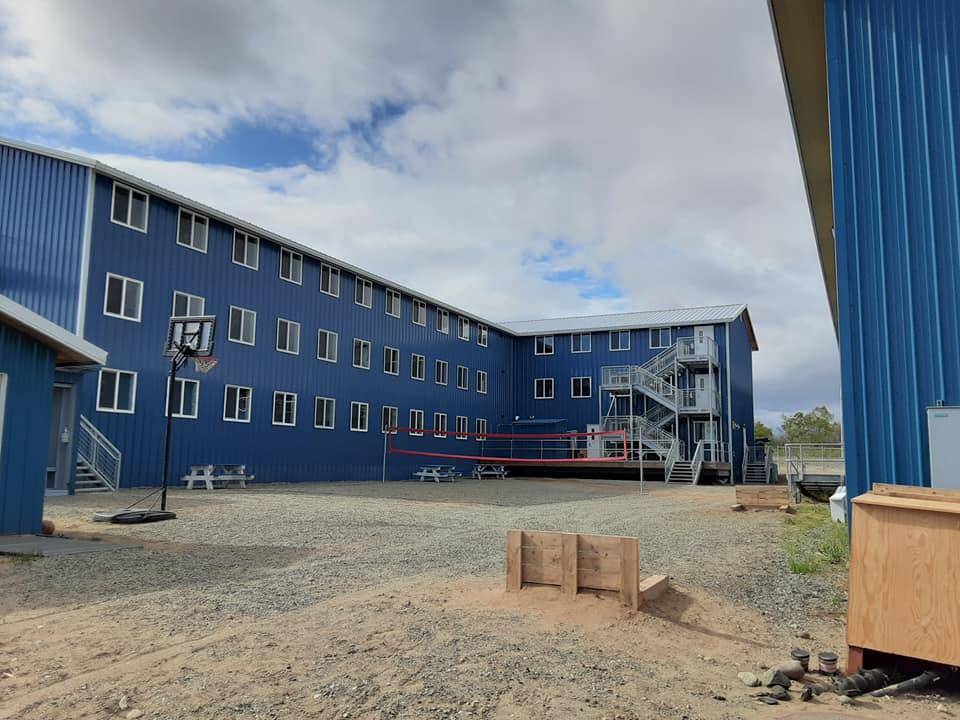
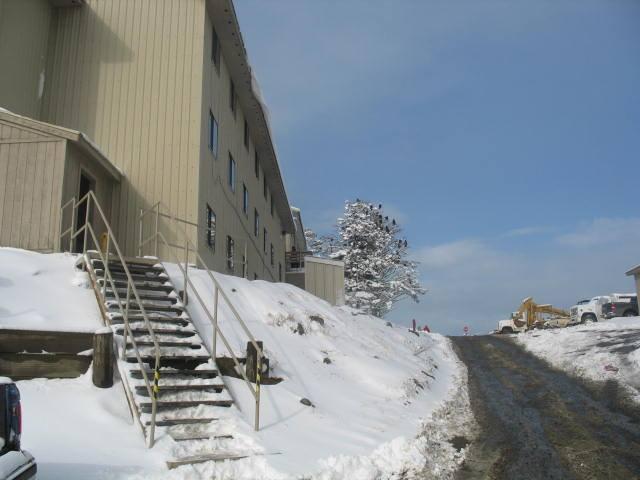
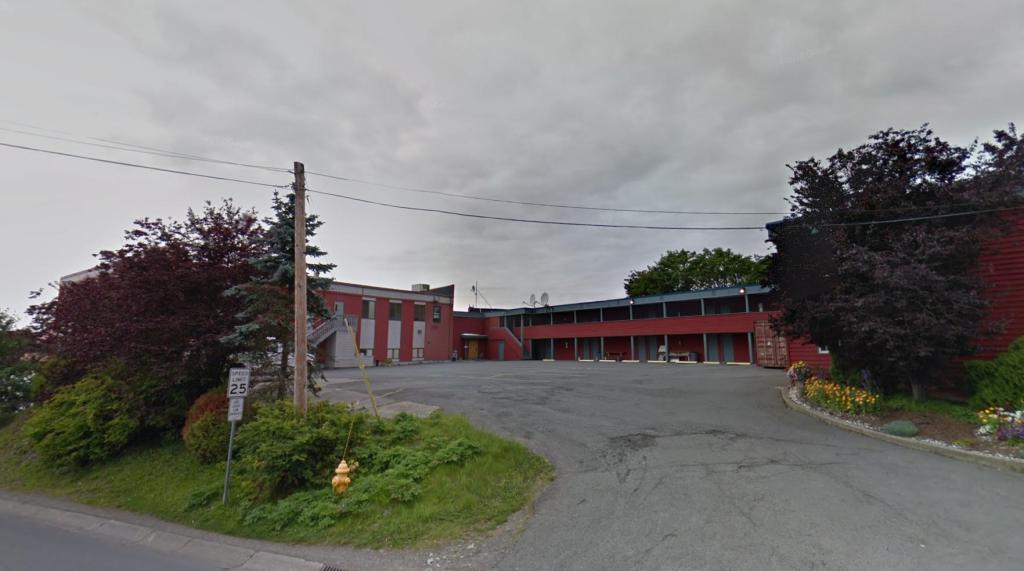
Bunkhouses are the most common type of employee housing.
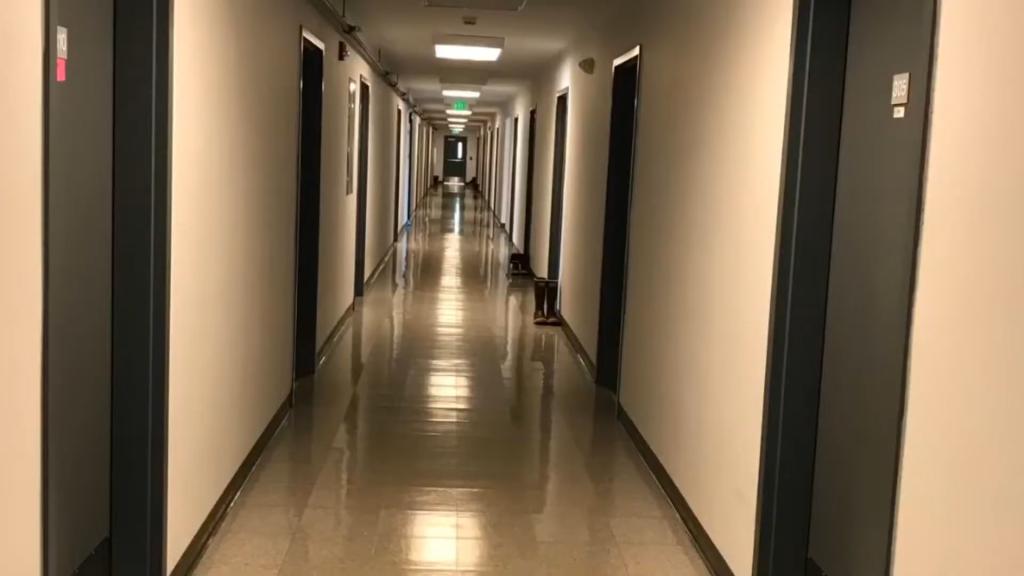
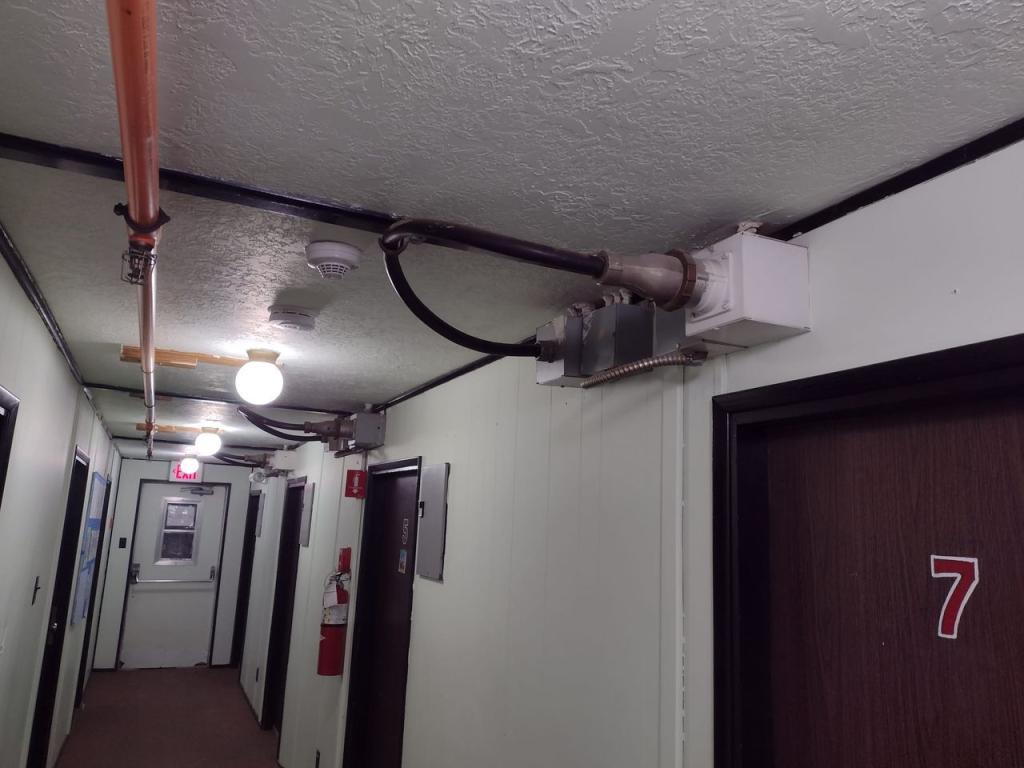
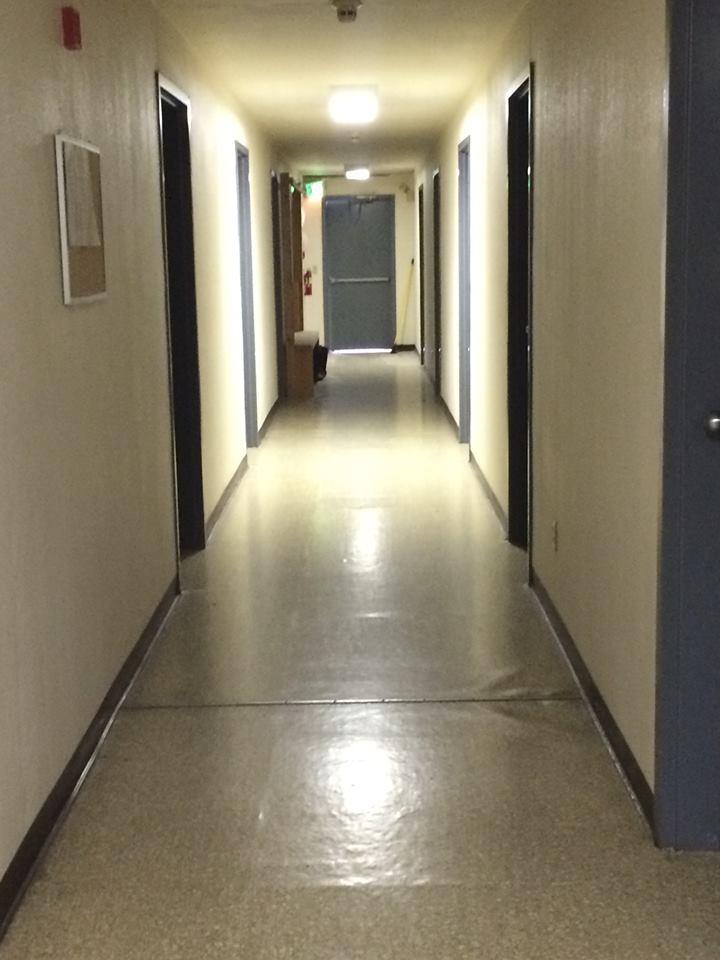
After work, employees staying in bunkhouses must walk down hallways.
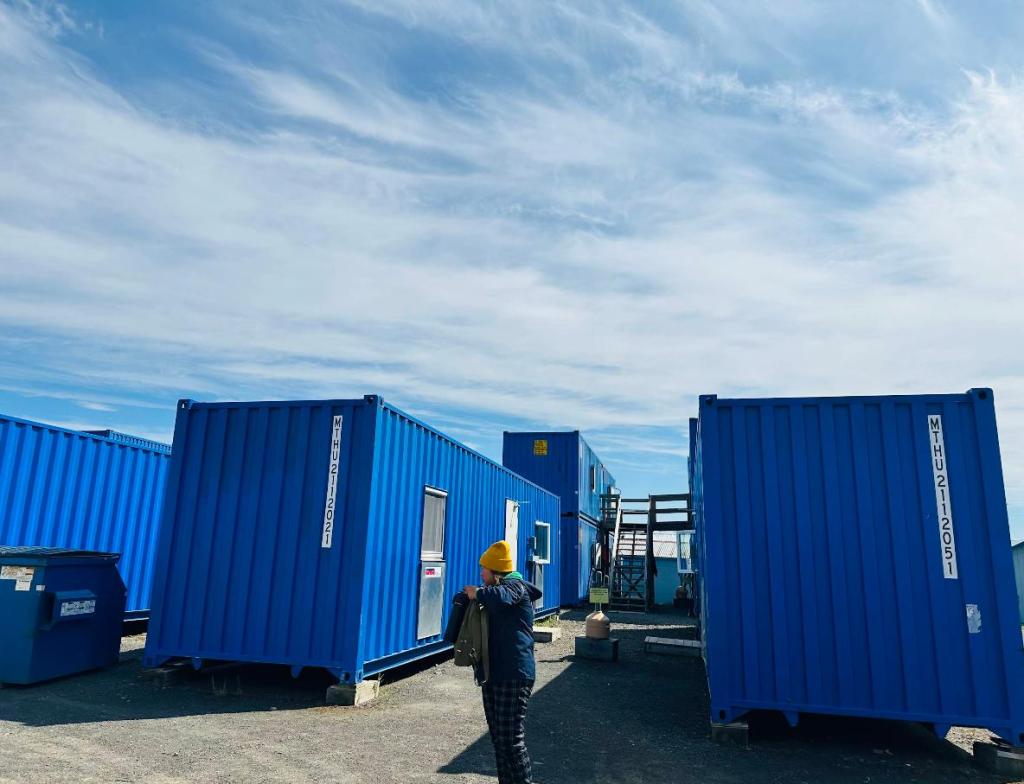
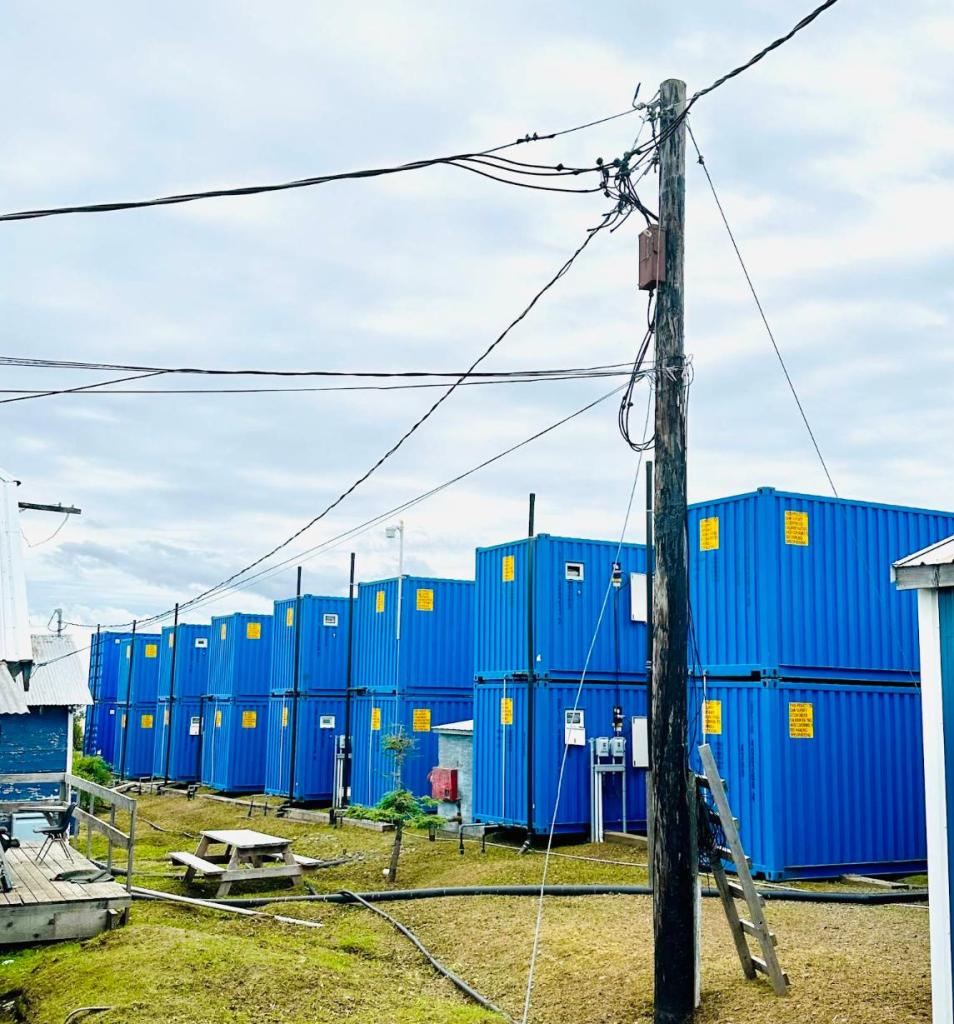
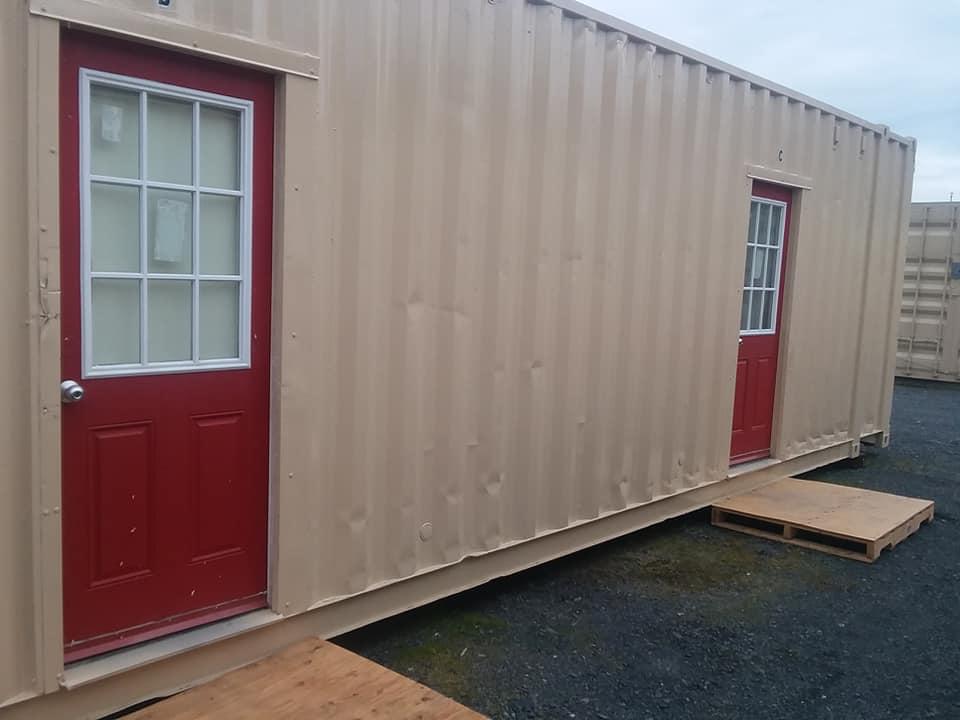
Housing in converted shipping containers.
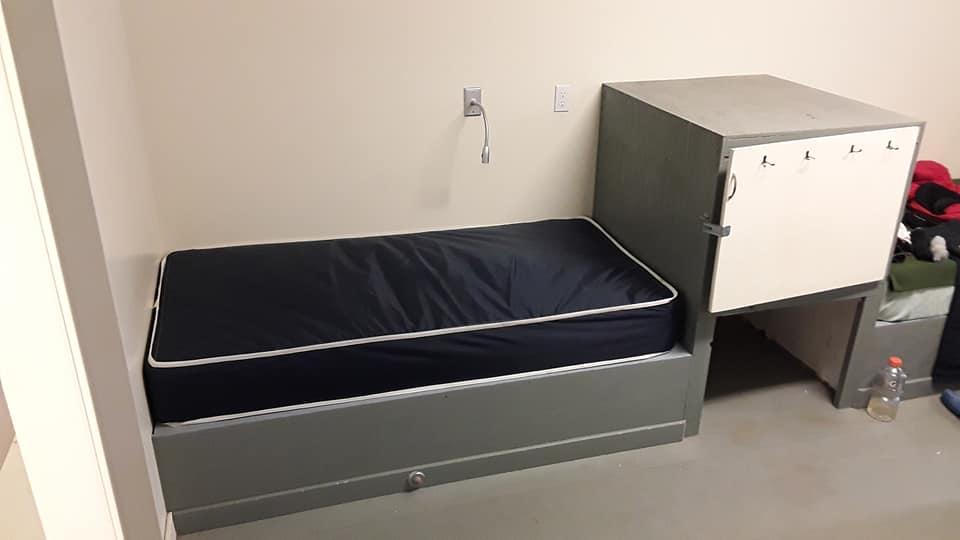
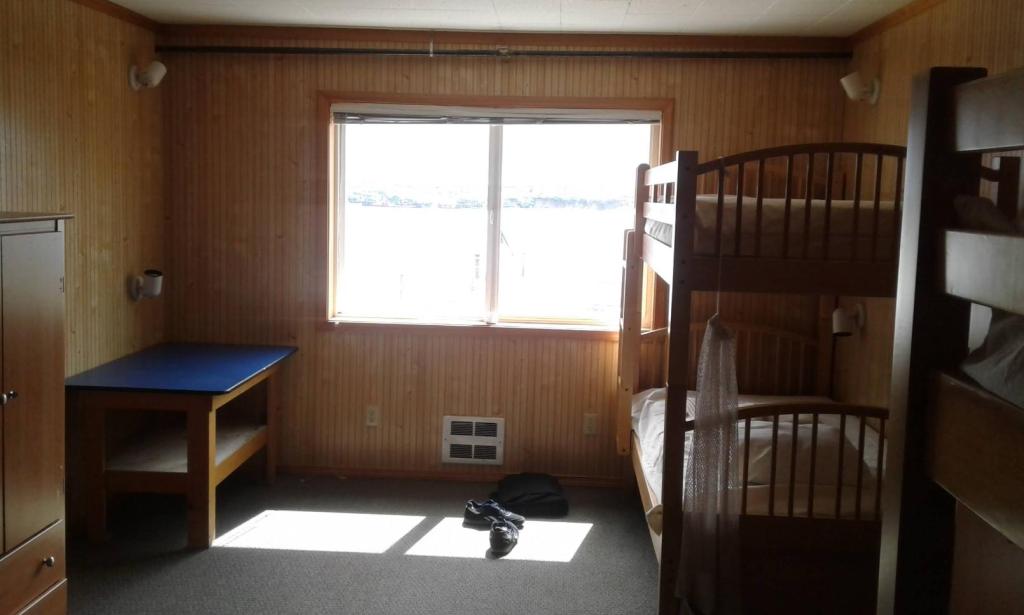
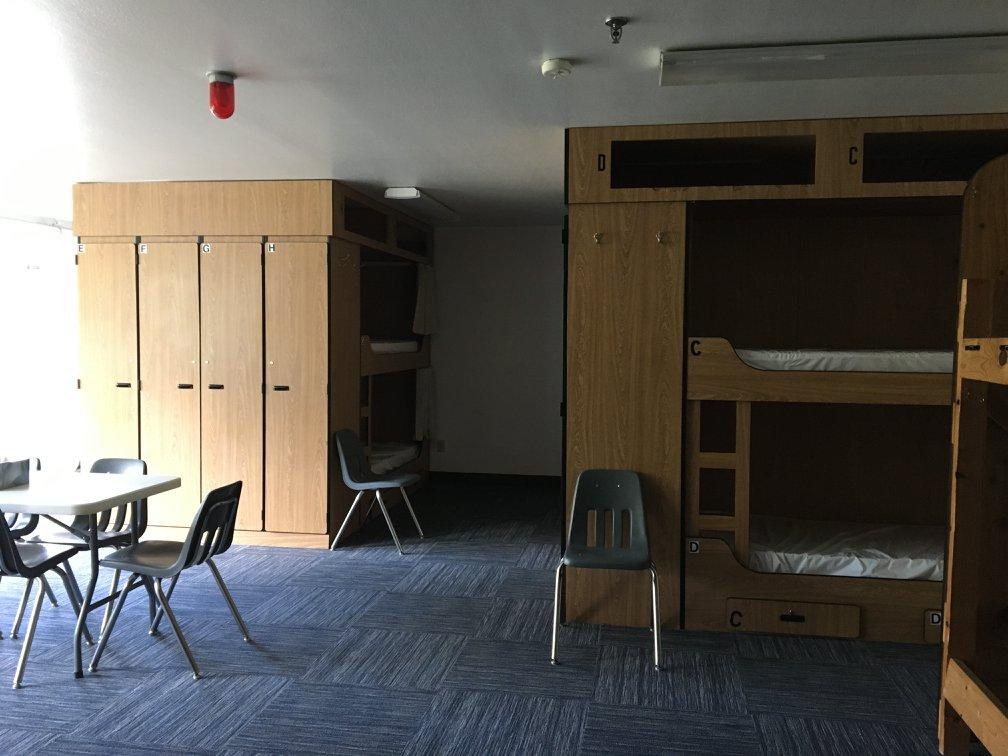
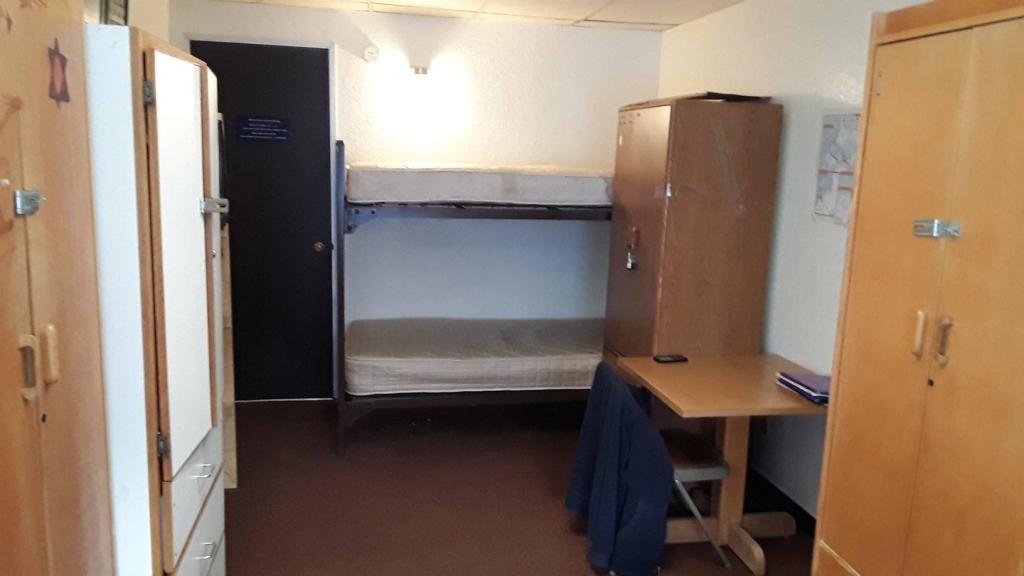
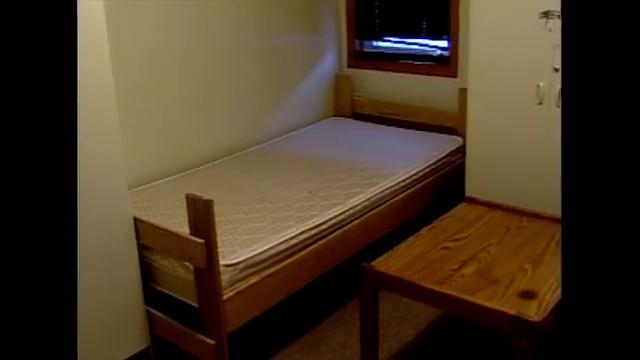
Bunk begs.
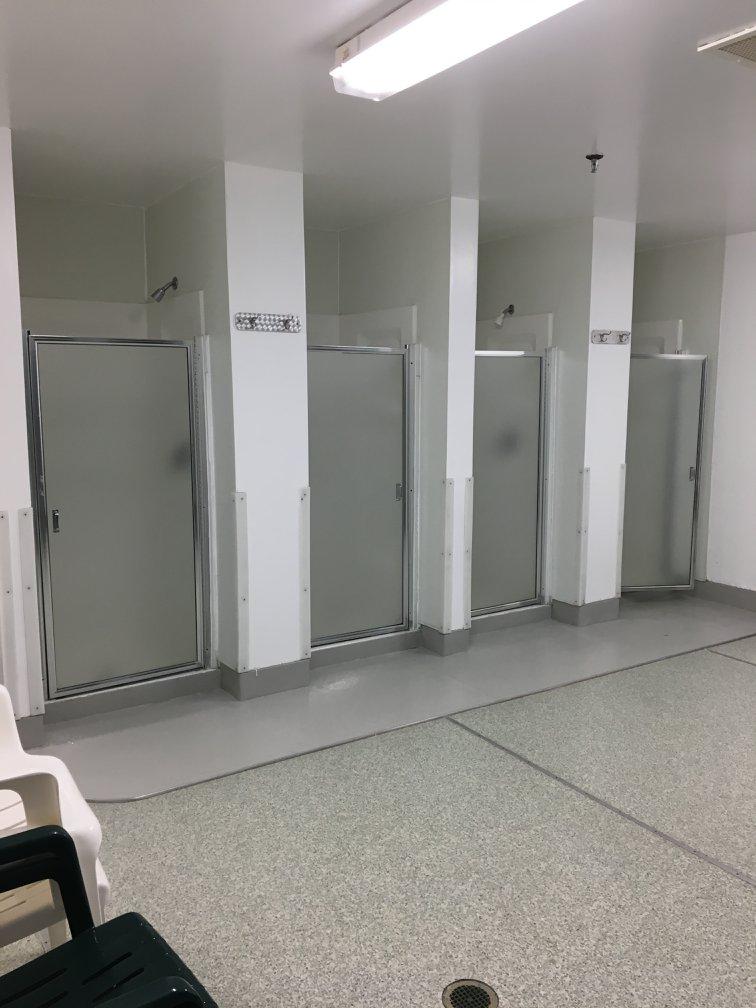
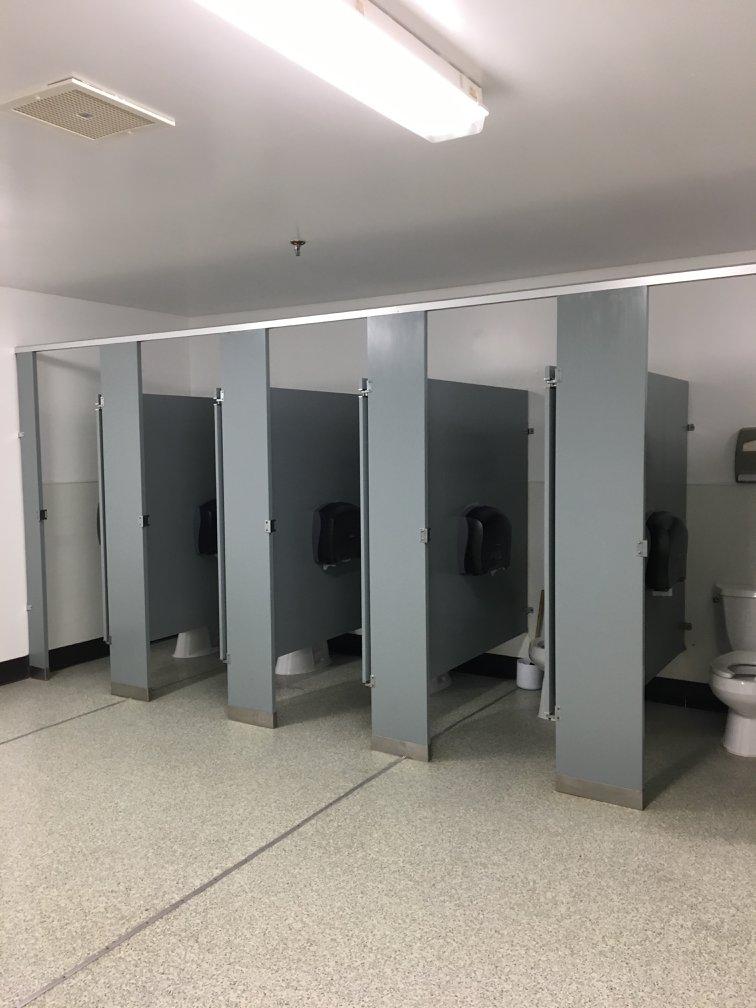
Communal bathrooms are shared among employees from multiple rooms.
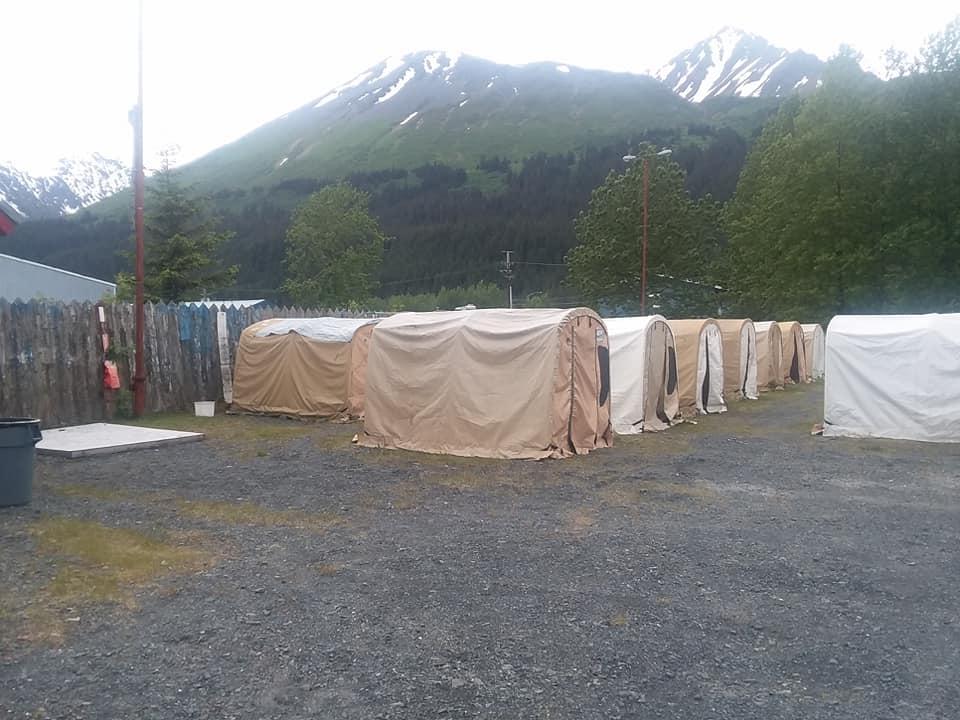
In Seward, some Icicle Seafoods employees, especially those arriving later in the season, must sleep in tents without electricity or heating. Fortunately, this housing arrangement is rare.

